1. In a single-core prostate needle biopsy, poorly formed glands arranged in cribriform pattern is seen. What will be the Gleason pattern in this patient?
1. Pattern 2
2. Pattern 3
3. Pattern 4
4. Pattern 5
2. Which medication is not prescribed for PCOD in a 30-year-old woman with infertility?
1. Clomiphene
2. Letrozole
3. OCPs
4. Metformin
3. Determine the investigation from the illustration below.
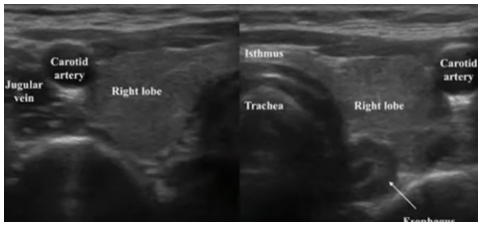
1. USG
2. Fluoroscopy
3. MRI
4. Contrast study
4. Which one of the following medications is an opioid antitussive
1. Diphenoxylate
2. Levorphanol
3. Ambroxol
4. Levopropoxyphene
5. To identify distinct heart sounds, an ECG is captured with a phonocardiogram. In the following diagram, where will the second heart sound appear?
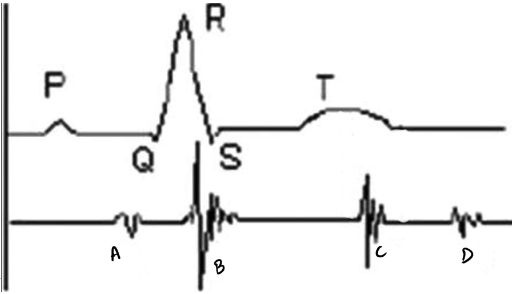
1. Point A
2. Point B
3. Point C
4. Point D
6. Identify the drug that acts through intracellular receptors.
1. Thyroxin
2. Glucagon
3. Epinephrin
4. Parathyroid hormone
7. A boy had itchy, excoriated papules on the forehead and the exposed parts of the arms and legs for 3 years.
The disease was at its worst during the rainy season and completely disappeared during the winter. What is the diagnosis in this case?
1. Insect Bite Hypersensitivity
2. Scabies
3. Urticaria
4. Atopic Dermatitis
8. Which of the following forms of collagen is found in basement membrane?
1. Type I
2. Type III
3. Type IV
4. Type V
9. A young patient with hypoparathyroidism and tetany arrived with a missing thymus. In this situation, which of the following marked areas in the image is defective
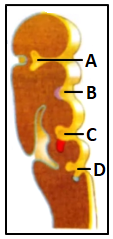
1. D
2. C
3. A
4. B
10. A 7-year-old boy was admitted after having wet the bed twice a week for the previous year. A thorough analysis eliminates an organic reason. What should the initial course of treatment be?
1. Pharmacotherapy with imipramine
2. Psychodynamic psychotherapy
3. Bladder training with reward for delaying micturition in daytime
4. Bell and pad based classical conditioning
11. A 5 kilogramme, 65 cm-long baby who is 10 months old has a cough and cold. He was discovered to have a respiratory rate of 48 breaths per minute with no cyanosis, retraction, or grunting. There is no previous history of seizures. Which statement regarding this child is accurate?
1. No pneumonia, only cough and cold
2. Child has pneumonia
3. Severe pneumonia
4. Very severe disease
12. A 20-year-old woman complains of vaginal discharge and localised itching. The results of a Pap test revealed the following image. What might be the cause of this infection?
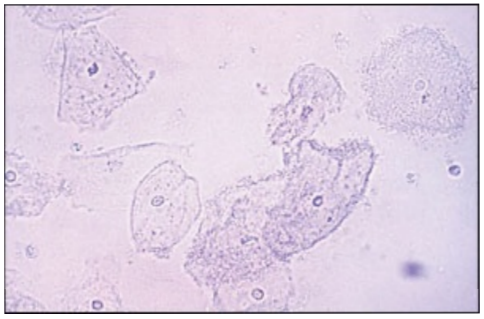
1. Candida
2. Trichomonas
3. Gardnerella
4. Chlamydia
13. Which disease is represented by the mnemonic ABCDEF?
1. Melanoma
2. SCC
3. Basal cell carcinoma
4.Verrucous Cancer
14. At a party, 200 people showed up, and some of them had diarrhea the next day. They consumed potato salad, hamburgers, oysters, and ice cream. 40 ill from 50 who consumed oyster 50 ill from 135 who consumed hamburger 60 ill from 140 who consumed salad 49 ill from 115 who consumed ice cream What is the most likely cause of this?What is the most likely cause of this?
1. V. parahaemolyticus
2. Salmonella enteritidis
3. Yersinia enterocolitis
4. Staph aureus
15. A 12-year-old boy with a unilateral lump in the nose is also suffering from frequent spontaneous bleeding. A pink lump covered in mucosa is discovered in the nasopharynx upon inspection. Which one of the following should be avoided?
1. Biopsy is done for diagnosis
2. CECT is done
3. Endoscopy surgery can be done
4. Angioembolization can be performed
16. Which of the following drugs do not increase bleeding when given to a patient on warfarin?
1. Isoniazid
2. Amiodarone
3. Carbamazepine
4. Cimetidine
17. What is the possible explanation for a bilirubin level of 40 mg/dL in a patient with obstructive jaundice?
1. Malignant obstruction
2. Complete obstruction of common bile duct
3. Renal failure
4. Liver failure
18. Which of the following is not correct about the NPCDCS?
1. Separate centre for stroke, DM
2. Implementation is some 5 states over 10 district
3. CHC has facilities for the diagnosis and treatment of CVD, Diabetes
4. Day care facilities are available at subcentre
19. How can a mediastinal mass be distinguished from a thymoma or an ALL?
1. CD1a
2. Cd3
3. Tdt
4. Cytokeratin
20. Following an eye stick injury, a farmer visited the ophthalmological emergency department with blurred vision, redness, tearing, photophobia, pain, and a feeling of a foreign body. A corneal ulcer with redness and fuzzy edges is discovered during examination. The image below depicts an eye. How are you going to handle this patient?
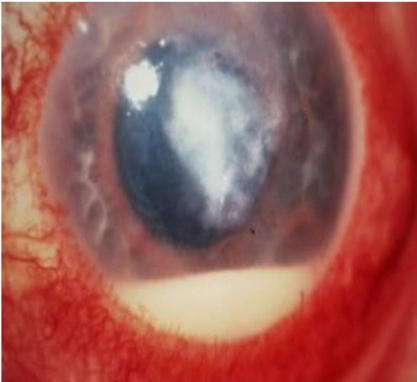
1. Topical antibiotics and drainage of hypopyon
2. Topical natamycin and drainage of hypopyon
3. Topical natamycin only, no need to drain the hypopyon
4. Topical Steroids
21. Where does sympathetic stimulation cause the blood flow to decrease?
1. Skin
2. Coronary circulation
3. Cerebral
4. Renal
22. What is the device listed below: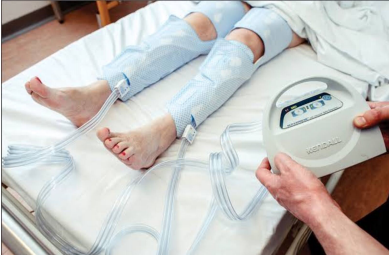
1. Pneumatic compression stocking to prevent the DVT
2. Varicose vein
3. Hypothermia
4. Cellulitis
23. Which among the following is the correct Lochia order?
1. Serosa, alba, rubra
2. Alba, rubra, serosa
3. Rubra, serosa, alba
4. Rubra, alba, serosa
24. Which of the following is an immune-privileged spot?
1. Area postrema
2. Loop of Henle
3. Optic nerve
4. Seminiferous tubules
25. A 3 year old child is diagnosed to have hernia with hydrocele. What is the line of management in this patient?
1. Herniotomy
2. Herniorrhaphy
3. Observation only
4. Operate after 5 years of age
26. A child has seborrheic dermatitis, sinusitis, and chronic ear drainage. The child is found to be failing to thrive, with hepatosplenomegaly and exophthalmos. What is the most likely diagnosis?
1. Histiocytosis-X
2. Wegener's granulomatosis
3. Chronic granulomatous disease
4. Chediak-Higashi syndrome
27. What is the vancomycin's mode of action?
1. Cell wall synthesis inhibition
2. Protein synthesis inhibition
3. Increase membrane permeability
4. Inhibit folic acid metabolism
28. Which drug from the list below is used to treat multiple sclerosis?
1. Interferon alpha
2. Interferon beta
3. Interferon gamma
4. Infliximab
29. Jaundice and increased liver enzymes are seen in a young female patient. She had already experienced two instances that are comparable. Her IgG level was 2400 IU, and her serum ANA was 1:40. Her viral indicators were negative, and her serum copper levels were normal. After a liver biopsy, you administered immunosuppressants based on the pathology report, and the patient's condition got better. What was the pathology report's most probable finding and the recommended course of treatment?
1. Non-alcoholic steatohepatitis
2. Hemosiderosis
3. Autoimmune hepatitis
4. Primary biliary cirrhosis
30. Which of the following devices delivers the most FiO2?
1. Nasal Canula
2. Venturi mask
3. Non rebreathing mask
4. Hudson mask
31. Which of the following is not responsible for ketosis in a patient with Von Gierke disease?
1. They have hypoglycemia
2. Have low blood sugar levels
3. Oxaloacetate is required for gluconeogenesis
4. Low fat mobilization
32. What is used to clean up blood spills in the operating room?
1. Phenol
2. Alcohol
3. Quarternary ammonium compound
4. Chloride compounds
33. Which is the most common presentation of an abdominal desmoid tumor?
1. Abdominal pain
2. Abdominal mass
3. Fever
4. Rectal prolapse
34. Pick the drug is not active against Hepatitis B.
1. Interferon
2. Telbivudine
3. Zidovudine
4. Lamivudine
35. A kidney specimen stained with FITC for IgG is shown below. What does this hint at?
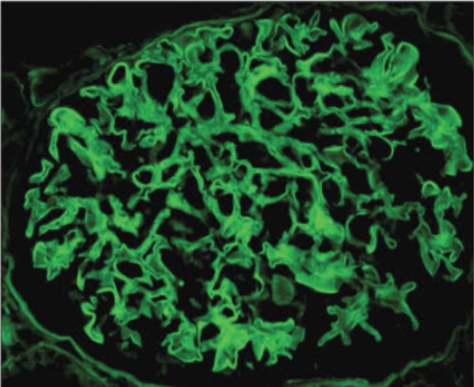
1. Buerger’s disease
2. Goodpasture’s syndrome
3. Membranous glomerulonephritis
4. Systemic lupus erythematosus
36. Pick the right immunohistochemical marker that can be used for the diagnosis of rhabdomyosarcoma?
1. Myeloperoxidase
2. Desmin
3. Cytokeratin
4. Synaptophysin
37. Which of the following causes ketosis in type 1 diabetes?
A. Decreased beta-oxidation of fatty acids
B. Increased mobilisation of fatty acid from adipose tissue
C. Decreased acetyl CoA entering to the TCA cycle
D. Increased beta- hydroxy butyrate dehydrogenase
1. A, B, C and D
2. B, C and D
3. D only
4. A and B only
38. Which of the following reasons is false for a study that discovered that the right ovary ovulates more than the left?
1. Anatomical difference between right and left side
2. Difference in blood supply to both sides
3. Right handedness is more common in the population
4. Some embryological basis
39. The following patient was brought in for an autopsy. What is cause of discolouration in in the image given below?
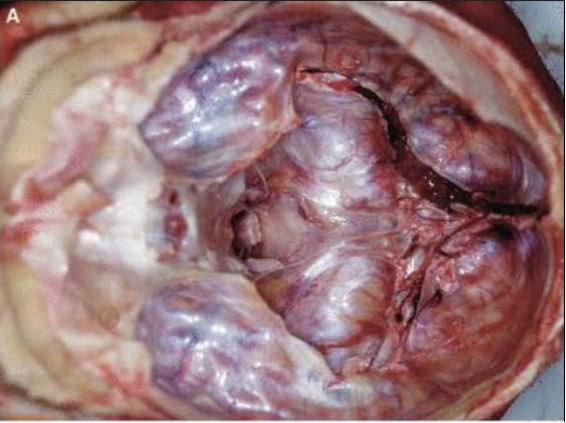
1. Hematoma formation
2. Methemoglobin
3. Sulfhemoglobin
4. Loss of blood
40. Which of the following statements about T3 and T4 acting on THR(Thyroid hormone receptor) is correct?
1. It activates phospholipase A
2. It acts on transcription factor
3. It acts by increasing cAMP
4. It is a tyrosine kinase receptor
41. What is the most reliable test for diagnosing spinal TB?
1. MRI
2. CT guided biopsy
3. PPD
4. Raised ESR
42. Which is the complement complex that attacks cell membrane?
1. C12345
2. C23456
3. C34567
4. C56789
43. What do the lowest mode and highest mean indicate?
1. Positive skewing
2. Negative skewing
3. Normal
4. Symmetrical
44. Boiled lobster syndrome is evident in poisoning of:
1. Boric acid
2. HNO3
3. H2SO4
4. Phenol
45. A six-month-old baby has been complaining of a cough and a cold for the past three days. The rate of respiration is 48/min. The patient is afebrile, with no chest retractions but wheezing. Which of the following is not correct?
1. Antibiotics are not required
2. Child is suffering from pneumonia
3. Treat wheezing(symptomatic management)
4. Treat fever(symptomatic management)
46. Which of the following statements about the protein content in senile cataracts is correct?
1. More insoluble protein, less soluble protein
2. More soluble protein, less insoluble protein
3. Equal concentration of soluble and insoluble protein
4. None of the above
47. The condition in the liver according to the given image is caused by:
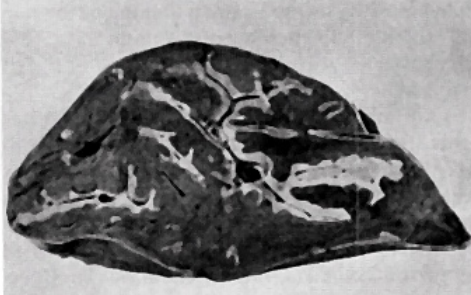
1. S. MANSONI
2. S. JAPONICUM
3. S. HEMATOBLUM
4. CLONORCHIS
48. According to the graph below, which displays a solute's transport kinetics. What kind of solute is this?
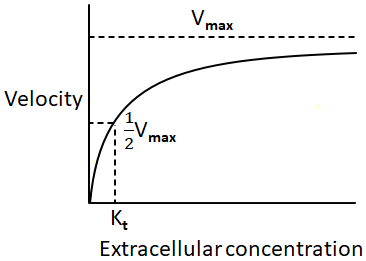
1. CO
2
2. Na
+
3. O
2
4. Glucose
49. Which cells of the human body are most sensitive to ischemia?
1. Neurons
2. Nephrons
3. Cardiac myocyte
4. Hepatocytes
50. Which of the following bones is not involved in the formation of the wrist?
1. Scaphoid
2. Radius
3. Ulna
4. Triquetral
*If above link doesn't work, please go to test link from where you got the pdf and fill OMR from there
CLICK HERE to get FREE ACCESS for 2 days of ANY NEETprep course
 Mini Grand Test - 22 JanContact Number: 8527521718